Top Online Therapy Alternatives for Mental Health
- abose64
- Mar 29
- 4 min read
Mental health is a vital part of your overall well-being. When you feel overwhelmed, anxious, or just need someone to talk to, therapy can be a powerful tool. But finding the right support can be challenging, especially if you prefer the comfort and convenience of online options. Over the years, online therapy has grown into a flexible and accessible way to connect with mental health professionals. In this post, we’ll walk you through some of the top online therapy alternatives that can help you take control of your mental health journey.
Exploring Online Therapy Alternatives
Online therapy alternatives offer a range of services that fit different needs and lifestyles. Whether you want video sessions, text-based chats, or self-guided programs, there’s something for everyone. These options make it easier to access care without the stress of travel or scheduling conflicts.
Here are some common types of online therapy alternatives:
Video Therapy Sessions: Real-time video calls with licensed therapists. This is the closest experience to in-person therapy.
Text and Chat Therapy: Messaging platforms where you can communicate with a therapist throughout the day.
Self-Guided Therapy Programs: Structured courses and exercises you can complete at your own pace.
Group Therapy Online: Virtual group sessions that provide peer support alongside professional guidance.
Each of these alternatives has its strengths. For example, video therapy allows for face-to-face interaction, which can build trust and rapport. Text therapy offers flexibility and privacy, letting you share your thoughts whenever you feel ready. Self-guided programs are great if you want to work independently but still need expert-designed tools.

If you’re considering online therapy, it’s important to think about what fits your personality and schedule best. Some people thrive with live interaction, while others prefer the quiet reflection that self-guided work encourages.
Should I See a Therapist for OCD Online?
Obsessive-Compulsive Disorder (OCD) can be a challenging condition to manage alone. If you find yourself stuck in repetitive thoughts or behaviors that interfere with daily life, therapy can be a crucial step toward relief.
Cognitive Behavioral Therapy (CBT), especially Exposure and Response Prevention (ERP), is the gold standard for treating OCD. Many online therapists specialize in these methods and can guide you through the process remotely.
Here are signs that you might benefit from seeing a therapist for OCD:
You experience persistent, unwanted thoughts that cause distress.
You feel compelled to perform rituals or routines to ease anxiety.
OCD symptoms interfere with your work, relationships, or daily activities.
You’ve tried self-help strategies but still struggle to manage symptoms.
Online therapy can provide a safe space to explore your OCD symptoms without judgment. A therapist can help you develop coping strategies, challenge unhelpful thoughts, and gradually reduce compulsive behaviors.
If you’re unsure about online therapy, many platforms offer free consultations or trial sessions. This can help you decide if the therapist’s style and approach feel right for you.
How to Choose the Right Online Therapy Platform
With so many options available, choosing the right online therapy platform can feel overwhelming. Here are some practical tips to help you make an informed decision:
Check Credentials: Ensure the therapists are licensed and qualified in your state or region.
Consider Specializations: Look for therapists who specialize in your specific concerns, such as OCD, anxiety, or depression.
Evaluate Communication Style: Decide if you prefer video, phone, or text-based sessions.
Review Privacy Policies: Your confidentiality is crucial. Make sure the platform uses secure technology.
Look at Pricing and Insurance: Understand the costs involved and whether your insurance covers online therapy.
Read Reviews and Testimonials: Hearing from others can give you insight into the quality of care.
Many platforms also offer flexible scheduling, which is helpful if you have a busy or unpredictable routine. Some even allow you to switch therapists if you don’t feel a good connection.
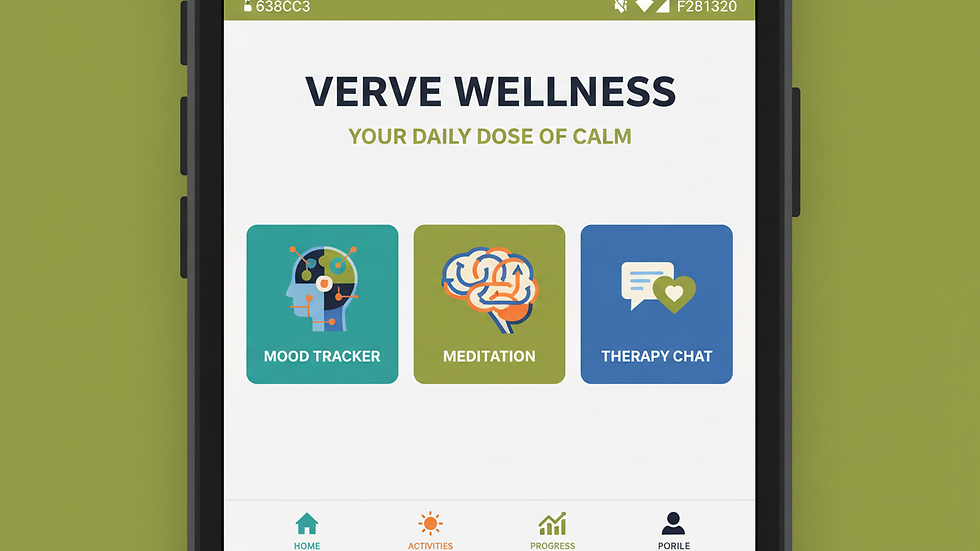
Remember, therapy is a personal experience. What works for one person might not work for another. Don’t hesitate to try different options until you find the best fit.
Benefits of Working with Independent Mental Health Practitioners Online
One of the advantages of online therapy is the ability to connect with independent mental health practitioners. These professionals often bring a personalized approach that larger platforms may not offer.
Here’s why working with independent therapists online can be beneficial:
Tailored Care: Independent practitioners can customize treatment plans to your unique needs.
Continuity and Relationship Building: You’re more likely to build a strong therapeutic relationship with a dedicated provider.
Flexibility: Many independent therapists offer flexible hours and various communication methods.
Local Expertise: If you prefer, you can find therapists familiar with your local culture and resources, even when meeting online.
Platforms like Verve Collaborative Health focus on connecting individuals with independent mental health providers, especially in Omaha, Nebraska. This collaborative environment supports both patients and practitioners, ensuring care is compassionate and personalized.
If you want to explore independent therapists, look for directories or platforms that emphasize practitioner profiles and specialties. This transparency helps you make a confident choice.
Making the Most of Your Online Therapy Experience
Starting online therapy is a positive step, but your active participation will make all the difference. Here are some tips to get the most out of your sessions:
Set Clear Goals: Know what you want to achieve in therapy. Share these goals with your therapist.
Be Honest and Open: Therapy works best when you communicate openly about your feelings and experiences.
Create a Private Space: Find a quiet, comfortable spot for your sessions to minimize distractions.
Stay Consistent: Regular sessions help build momentum and progress.
Use Homework and Tools: Many therapists assign exercises or recommend apps. Engage with these between sessions.
Give Feedback: If something isn’t working, tell your therapist. Therapy is a collaborative process.
Online therapy can sometimes feel different from in-person sessions, but with patience and commitment, it can be just as effective.
If you’re ready to explore the best online therapy options available, take the time to research and reach out. Your mental health deserves the best care possible. Taking care of your mental health is a journey, and online therapy alternatives offer a flexible, accessible way to get support. Whether you’re managing OCD, anxiety, or just need someone to talk to, there’s a solution that fits your life. Remember, reaching out is a sign of strength, and help is just a click away.



Comments